Quick Summary:
Federal Government enforces a total ban on the exportation of wood, charcoal, and allied products under a new Presidential Executive Order unveiled by Environment Minister Balarabe Abbas Lawal in Katsina State.
On December 17, 2025, the Federal Government of Nigeria announced an immediate and total nationwide ban on the exportation of wood, charcoal, and allied products.
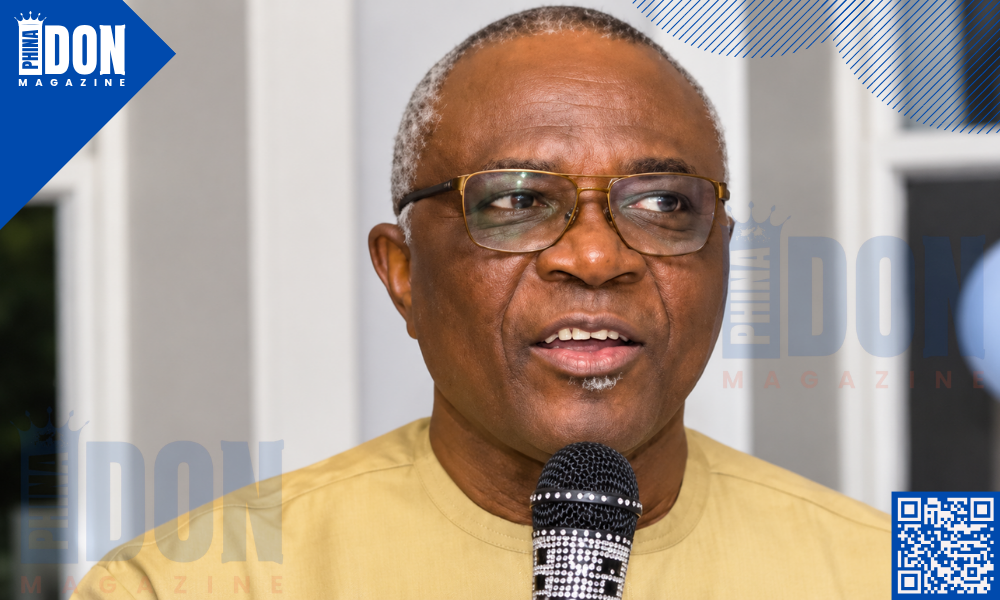
The directive is contained in the Presidential Executive Order on the Prohibition of Exportation of Wood and Allied Products, 2025, officially unveiled by the Minister of Environment, Balarabe Abbas Lawal, during the 18th National Council on Environment held in Katsina State.
The order represents one of the most sweeping environmental protection measures in recent years, aimed at halting the rapid degradation of Nigeria’s forest ecosystems.
Key Provisions of the Ban
Immediate Revocation
All previously issued licenses and permits for the extraction and exportation of wood and allied products are suspended and declared invalid with immediate effect.
Grace Period
A 30-day grace period was initially provided for individuals and corporate entities to cease existing operations before the commencement of a total enforcement clampdown.
Enforcement
Security agencies and relevant ministries, departments, and agencies (MDAs) have been directed to enforce strict compliance, targeting illegal logging and unauthorized movements of wood and charcoal at ports, borders, and forest checkpoints.
Constitutional Basis
The order draws authority from Sections 17(2) and 20 of the 1999 Constitution, which mandate the state to protect the environment and prevent the exploitation of natural resources for private gain at the expense of the community.
Objectives and Industry Reaction
Environmental Protection
The primary objective is to curb illegal logging and deforestation, which have reached alarming levels across Nigeria’s forest belts. The government aims to preserve biodiversity, protect watersheds, and reduce the ecological impact of uncontrolled timber extraction.
Industrial Value Addition
The Manufacturers Association of Nigeria (MAN) welcomed the policy, noting that it will stabilize raw material costs for the domestic furniture and wood processing industries. The association emphasized that retaining raw materials within the country will foster job creation, encourage local manufacturing, and enhance the competitiveness of Nigerian-made finished products.
Climate Resilience
By retaining forest cover, the government seeks to strengthen Nigeria’s climate commitments, particularly in reducing carbon emissions and addressing the “triple planetary crisis” of climate change, pollution, and biodiversity loss.
The policy aligns with Nigeria’s Nationally Determined Contributions (NDCs) under the Paris Agreement, reinforcing the country’s pledge to achieve net-zero emissions by 2060.