Connect with us

Entertainment

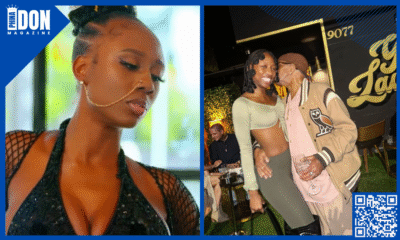
Korra Obidi claims she was almost removed from a flight due to her inappropriate attire.

Ikechukwu Emmanuel

Published

on

Nigerian entertainer Korra Obidi recently ignited a social media firestorm after claiming she was nearly removed from a flight due to her attire. Obidi, known for her provocative style, shared her experience on Facebook, questioning the airline’s actions and soliciting opinions from her followers.

According to Obidi’s account, she was informed by airline personnel that her “revealing pink outfit” was deemed inappropriate, and she risked being deplaned unless she covered up. This incident has sparked a debate regarding the intersection of personal style, airline regulations, and societal expectations of decency.

Obidi’s post, in which she asked, “Be honest, was this airline doing the most?” has garnered considerable attention, though much of it has been critical. Many commenters have censured Obidi for what they perceive as indecent dressing, suggesting that her clothing choice was unsuitable for air travel.

This situation raises several pertinent questions. Do airlines have the right to enforce dress codes, and if so, where is the line drawn between acceptable and unacceptable attire? Is it the airline’s responsibility to cater to potentially sensitive fellow passengers, or should individuals be granted the freedom to express themselves through their clothing choices, even if those choices are deemed unconventional or revealing?

The incident involving Korra Obidi highlights the ongoing tension between individual expression and societal norms. While airlines undoubtedly have the authority to ensure a comfortable and respectful environment for all passengers, the question remains whether their actions in this instance constituted a justified enforcement of policy or an overzealous intrusion on personal freedom. This case will likely continue to fuel discussions about the complex relationship between fashion, decorum, and the boundaries of personal expression in public spaces.

Continue Reading
Click to comment

Leave a Reply

Your email address will not be published. Required fields are marked *

Entertainment

Lojay: My uncle told me I would never succeed in music.

Ikechukwu Emmanuel

Published

on

Nigerian singer Lojay has revealed that he faced significant opposition when he decided to pursue a career in music, including doubts from members of his family.

Speaking during a recent livestream with content creator Gilmore, the “Monalisa” hitmaker recalled that one of his wealthy and influential uncles, who is now involved in politics, told him he would never succeed in the music industry.

“I have an uncle who is now in politics. I won’t mention his name, but he is very rich and popular. When I wanted to start music, he told me I would never blow,” Lojay said.

Despite the discouragement, the singer remained committed to his ambition and used the criticism as motivation. He expressed satisfaction that his perseverance had eventually produced positive results.

Lojay also encouraged his fans to remain confident in their dreams and avoid allowing negative opinions to define their ambitions.

Continue Reading

Entertainment

“No DNA test needed—Jarvis is carrying my child,” Peller responds to critics.

Ikechukwu Emmanuel

Published

on

Nigerian streamer and content creator Peller has criticised individuals demanding a DNA test to confirm the paternity of his child with Jarvis.

In a heated response, Peller dismissed the calls, insisting that Jarvis, who is reportedly carrying his child, should not be subjected to such demands. He also questioned why some people were so concerned about his personal affairs, making controversial remarks about their mothers and sisters.

His comments have further fuelled public discussion surrounding the couple’s relationship and pregnancy.

Continue Reading

Entertainment

Pete Edochie Hails Things Fall Apart as Africa’s Greatest Book.

Ikechukwu Emmanuel

Published

on

Veteran Nollywood actor Pete Edochie has described Chinua Achebe’s 1958 novel, Things Fall Apart, as the greatest African book ever written.

Speaking in a recent interview, Edochie said the novel’s enduring popularity stems from its authentic portrayal of African life and history. He noted that although several African writers have since explored similar themes, none has matched the strength and influence of Achebe’s work.

Edochie urged African writers and creatives to tell their own stories, describing this as their greatest advantage on the global stage. He also expressed concern that foreign cultural influences were overshadowing African talent and identity.

Reflecting on his own experience, the actor recalled being given Western names such as Elvis Presley and John Wayne before choosing the culturally significant name “Uwadiegwu.”

Continue Reading

Trending

∧