
News
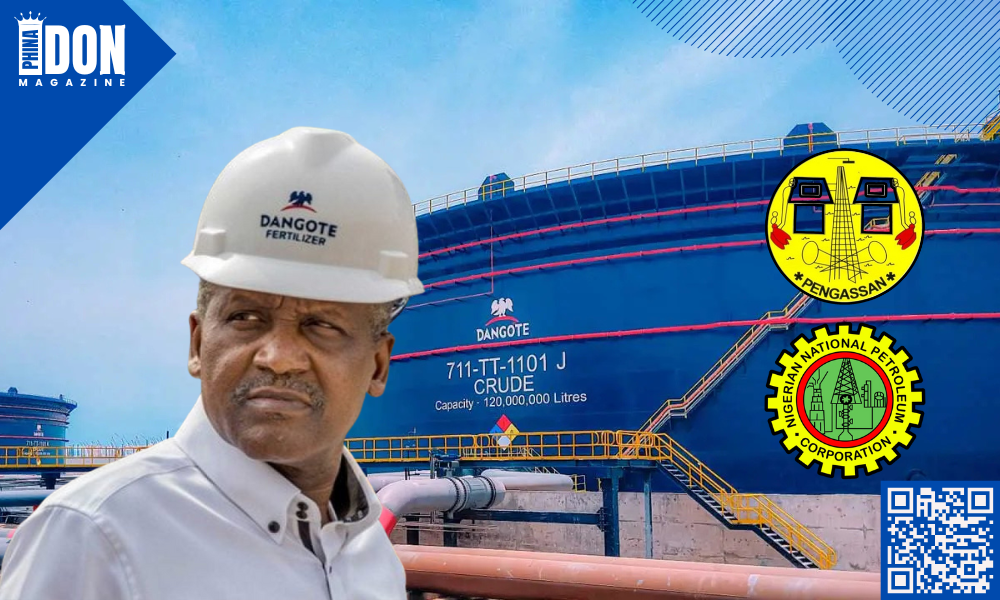
Court Grants Dangote Refinery Injunction to Block Supply Disruption







News2 days ago
Police arrest Bauchi man accused of poisoning motorcyclist and stealing his bike.

Sports2 days ago
Why Ronaldo May Never Play for Portugal Again, Says His Sister Elma Aveiro.

Sports2 days ago
NPFL Suspends Fan Over Threats to Match Officials.


-

 News2 days ago
Fire Erupts at Oluku Market After Tanker Overturns (VIDEO BELOW).
-

 News2 days ago
Federal Government Begins Fresh Mass Trial of Suspected Terrorists.
-
 Sports2 days ago
Why Ronaldo May Never Play for Portugal Again, Says His Sister Elma Aveiro.
-

 Entertainment2 days ago
Lojay: My uncle told me I would never succeed in music.
-

 Sports2 days ago
EPL: Martinez is seeking a departure from Manchester United.
-
 Sports2 days ago
NPFL Suspends Fan Over Threats to Match Officials.
-
 News2 days ago
Police arrest Bauchi man accused of poisoning motorcyclist and stealing his bike.
-

 News2 days ago
Benue Police Deny Withdrawal of Mobile Personnel from Ayilamo.