Summary:
A high-stakes joint military operation targeting the emerging Lakurawa group has sparked intense debate after unexploded missiles were discovered in local farmlands. While political leaders hail the precision strikes as a victory, security analysts question the tactical success as militants reportedly embed themselves deeper within civilian populations.
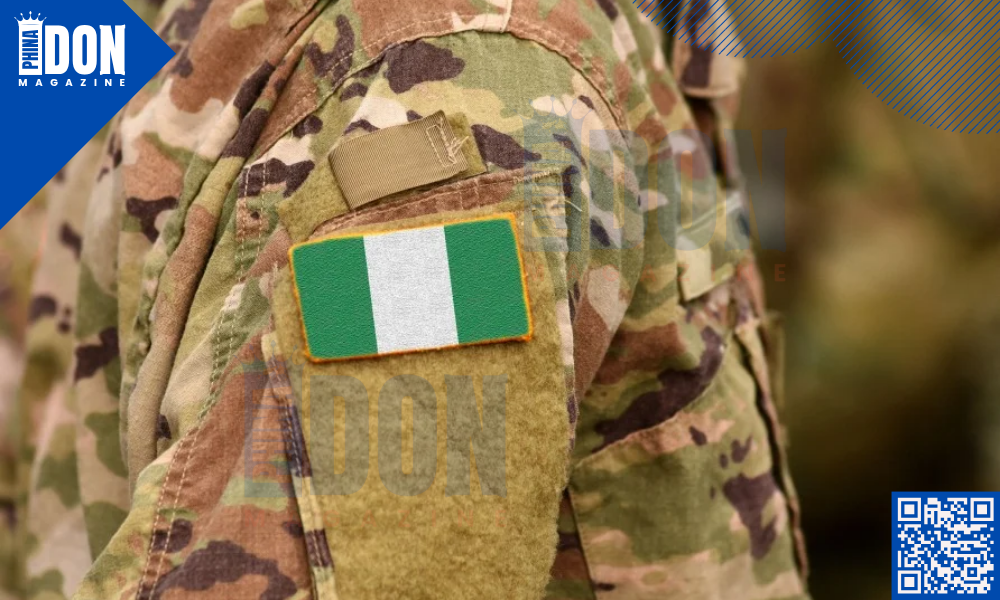
The battle for stability in Nigeria’s North-West region escalated dramatically over the holiday season as the skies above the Bauni forest in Sokoto State became the theater for a sophisticated international military intervention. In a coordinated effort spanning late December 2025 and early January 2026, the United States and Nigerian military forces launched a barrage of precision airstrikes aimed at dismantling the infrastructure of the newly emerged Lakurawa extremist group and foreign ISIS-affiliated infiltrators.
The Anatomy of the Strike
The operation represented a significant escalation in the use of high-tech warfare in the region. According to defence sources, the U.S. military deployed approximately 16 precision-guided munitions. This arsenal included Tomahawk cruise missiles and strikes from MQ-9 Reaper drones, launched from maritime platforms situated in the Gulf of Guinea. The objective was clear: to decapitate the leadership and logistics of terror cells that have migrated from the Sahel.
Political Narratives and Diplomatic Context
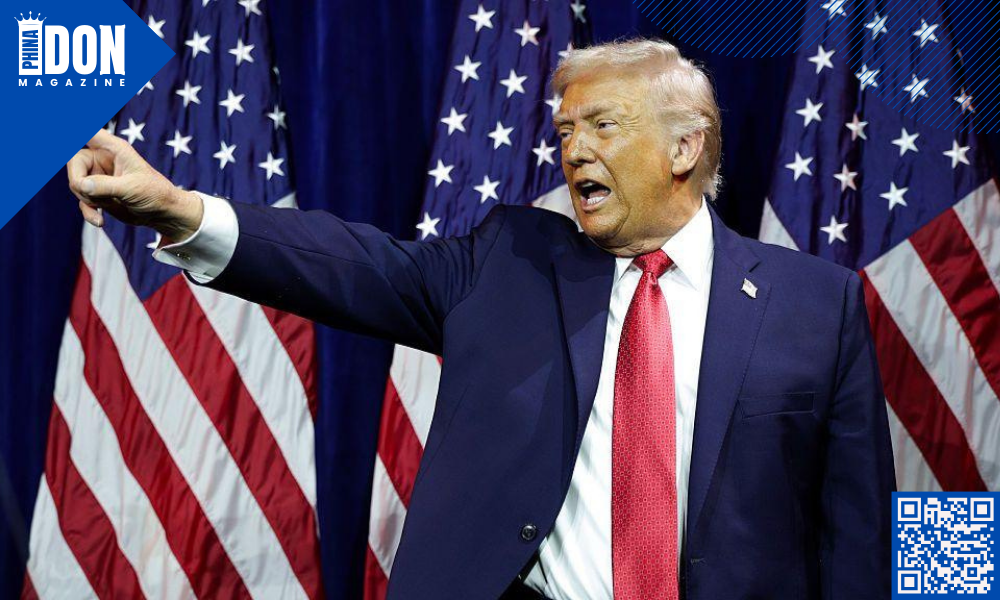
The operation has drawn varied reactions from political heavyweights. U.S. President Donald Trump characterized the offensive with his trademark rhetoric, describing the strikes as a “Christmas present” aimed at eliminating “terrorist scum” accused of persecuting Christians. Conversely, the Nigerian government offered a more unified narrative. Officials emphasized that the mission was a joint operation explicitly approved by President Bola Tinubu, designed to neutralize threats facing both Muslim and Christian communities in the volatile region.
Tactical Outcomes vs. On-Ground Reality
While U.S. Africa Command (AFRICOM) reported successful hits on “multiple” terrorists, emerging local intelligence paints a more complex picture. Reports from January 10 suggest that intelligence leaks or tactical awareness may have allowed militants to vacate several camps prior to the bombardment. Consequently, rather than being neutralized, many insurgents reportedly fled, integrating themselves into civilian settlements or crossing the porous border into Niger to evade detection.
The Danger of Unexploded Ordnance
Perhaps the most concerning aftermath of the operation is the discovery of dangerous remnants of war. As of January 11, farming communities near Jabo in Sokoto and Offa in Kwara State have reported finding unexploded ordnance and missile debris in their fields. The Nigerian Defence Headquarters has since issued urgent warnings to civilians to avoid handling these hazardous materials.
Strategic Implications
Security analysts are currently weighing the long-term efficacy of such high-profile strikes. While the operation undoubtedly disrupted the logistics of the terrorist enclaves, experts argue that the resulting panic has forced militants to embed deeper into civilian populations, potentially complicating future engagement rules and risking higher collateral damage in the ongoing war against insurgency.