Quick Summary:
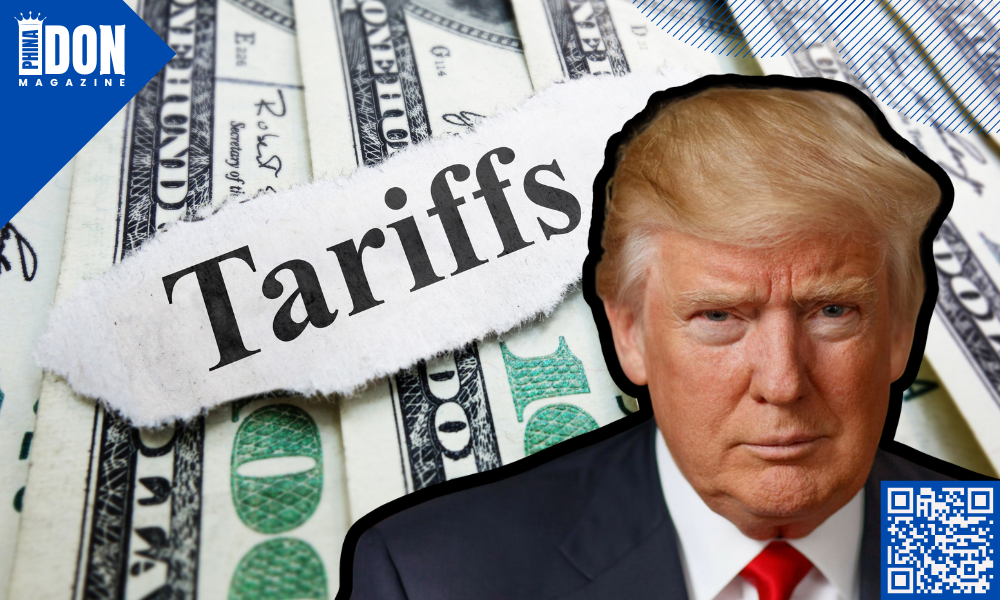
TrumpTariffDividend2025 as U.S. President Donald Trump confirms that the proposed $2,000 tariff dividend will not be issued this month but could arrive “sometime next year,” pending congressional approval.
Washington, D.C. – As speculation grows over the promised $2,000 tariff dividend, U.S. President Donald Trump has clarified that the payments are expected to roll out “sometime next year, during the year,” according to remarks made to reporters on Friday, November 14, 2025.
Trump explained that the funds would come from revenue generated through tariffs, describing the initiative as a “dividend” for American citizens. However, the plan still requires Congressional approval before any payments can be distributed.
What the Tariff Check Plan Means
In a Truth Social post on November 9, Trump stated that the $2,000 payments would exclude high-income earners, emphasizing that the dividend is intended for middle- and lower-income families.
The President also claimed that tariff revenues have strengthened the U.S. economy, citing record investments, factory growth, and efforts to reduce national debt, which he pegged at $37 trillion.
Who Would Qualify for the Tariff Dividend?
Treasury Secretary Scott Bessent revealed that the administration is considering income-based eligibility, potentially limiting the payments to families earning less than $100,000 annually.
He added that the income threshold is still under discussion and has not been finalized.
Congressional and Economic Hurdles
Financial analysts caution that the tariff dividend plan faces significant legislative and economic challenges.
Stephen Kates, a financial analyst at Bankrate, noted that while the idea of direct payments is politically popular, Congressional approval remains a major obstacle.
Ed Mills, a Washington policy analyst at Raymond James, suggested that the plan could gain traction closer to the midterm elections, especially if consumer spending weakens.
Inflation Concerns
Economists warn that another round of direct payments could fuel inflation, echoing the effects of pandemic-era stimulus programs.
A 2023 study by the Federal Reserve Bank of St. Louis found that fiscal stimulus during the pandemic contributed to a 2.6 percentage point increase in inflation.
The Bottom Line
While President Trump’s $2,000 tariff dividend has generated excitement among Americans, the plan remains in discussion and requires Congressional approval before implementation.
If approved, the payments could begin sometime in 2026, targeting middle- and lower-income families as part of a broader effort to redistribute tariff revenues and stimulate the U.S. economy.