Nigeria’s Diplomatic Push for a permanent UN Security Council seat highlights its global ambitions, but critics argue domestic insecurity and economic challenges must be prioritized.
Nigeria’s Diplomatic Push has become a defining feature of the Tinubu administration’s foreign policy agenda, as the country seeks to secure a permanent seat on the United Nations Security Council (UNSC) while simultaneously grappling with pressing domestic challenges. This dual pursuit of international recognition and internal stability has sparked debate across political and civic spaces, with critics questioning whether Nigeria is striking the right balance between global ambitions and local realities.
The African Democratic Congress (ADC) has been one of the most vocal critics of this approach. The party argues that while Nigeria’s Diplomatic Push is commendable in principle, the government must not lose sight of the insecurity, economic hardship, and governance issues that continue to affect millions of Nigerians. According to the ADC, the administration’s focus on international prestige risks overshadowing the urgent need to address domestic instability.
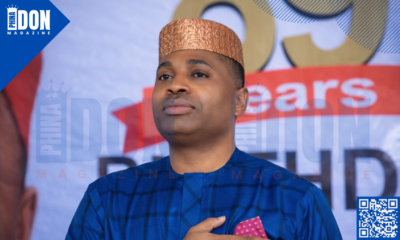
At the 80th Session of the United Nations General Assembly (UNGA), Vice President Kashim Shettima represented Nigeria and articulated the country’s vision for global reform. He emphasized the need for comprehensive UN reforms, particularly advocating for Africa’s representation on the UNSC. Nigeria’s Diplomatic Push was evident in his call for a permanent seat for Africa’s most populous nation, positioning Nigeria as a natural candidate given its population, economic potential, and peacekeeping contributions.
Shettima also highlighted the importance of greater African control over the continent’s mineral wealth, arguing that resource sovereignty is essential for sustainable development. He underscored digital inclusion as a driver of growth, pointing to Nigeria’s youthful population and expanding tech ecosystem as evidence of the country’s readiness to lead Africa into a new era of innovation.
Nigeria’s Diplomatic Push at UNGA was further reinforced by Shettima’s engagements with global leaders and institutions. He received commendation from UN Secretary-General António Guterres for Nigeria’s UNSC bid, a symbolic endorsement that strengthens the country’s case for global leadership. Shettima also showcased Nigeria’s $200 billion energy transition opportunity, positioning the country as a hub for renewable energy investment. Strategic partnerships were forged with the United Kingdom, while discussions with the Gates Foundation focused on healthcare and education initiatives. Additionally, Shettima promoted Nigeria as the hub for the African Continental Free Trade Area (AfCFTA), highlighting the country’s central role in driving regional integration.
Beyond diplomacy, Nigeria secured renewed funding from the African Development Bank (AfDB) for the second phase of the Special Agro-Industrial Processing Zones (SAPZ) initiative. This development aligns with Nigeria’s Diplomatic Push by demonstrating that international engagement can yield tangible benefits for domestic growth. The SAPZ project aims to diversify Nigeria’s economy through value-added agricultural exports, expand climate-resilient infrastructure, and promote inclusive agro-industrial growth across 24 additional states. By linking diplomacy with development, the administration seeks to show that global recognition can translate into local prosperity.
However, the ADC’s criticism underscores the delicate balancing act Nigeria faces. While Nigeria’s Diplomatic Push is designed to elevate the country’s global standing, the reality on the ground remains challenging. Insecurity persists in several regions, with insurgency, banditry, and communal conflicts undermining stability. Economic hardship, inflation, and unemployment continue to affect millions of households. For many Nigerians, these issues demand immediate attention, raising questions about whether the government’s international ambitions are overshadowing domestic priorities.
The debate over Nigeria’s Diplomatic Push reflects a broader tension between global aspirations and local realities. On one hand, Nigeria’s pursuit of a permanent UNSC seat is a legitimate and strategic goal. As Africa’s largest economy and most populous nation, Nigeria has long argued that it deserves a seat at the table where critical decisions about global peace and security are made. On the other hand, critics argue that international recognition will mean little if Nigeria cannot guarantee security, stability, and prosperity for its citizens.
Finding the right balance between these competing priorities will be essential for Nigeria’s progress and influence. A successful Diplomatic Push must be complemented by robust domestic reforms that address insecurity, strengthen governance, and promote inclusive economic growth. Without this balance, Nigeria risks being seen as a country that aspires to global leadership while struggling to meet the basic needs of its people.
Ultimately, Nigeria’s Diplomatic Push is both an opportunity and a challenge. It offers the chance to elevate Nigeria’s voice on the global stage, secure strategic partnerships, and attract investment. At the same time, it highlights the urgent need for domestic consolidation. The administration’s ability to navigate this delicate balancing act will determine whether Nigeria emerges as a true global leader or remains constrained by its internal struggles.
As the country marks its 65th Independence anniversary, the message of unity and shared responsibility resonates strongly. Nigeria’s Diplomatic Push must be matched by a domestic push for peace, stability, and prosperity. Only then can Nigeria achieve its dual goals of global influence and national development.