Summary
A comprehensive breakdown of the landmark 2025 agreement between the Federal Government and ASUU, which introduces a dedicated Professorial Cadre Allowance, implements a 40% salary increment, and restructures academic remuneration to permanently halt university strikes.
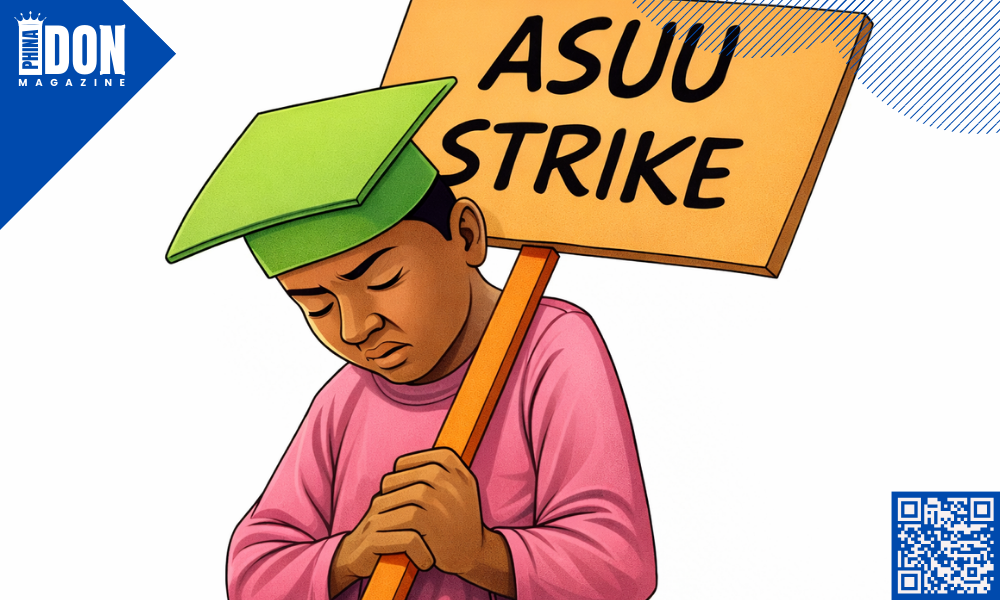
In a decisive move to end a sixteen-year cycle of industrial disputes, the Federal Government has officially overhauled the compensation architecture for public university lecturers. Following the signing of a new pact on December 23, 2025, which replaces the obsolete 2009 agreement, the government has unveiled a robust package designed to reward academic excellence and stabilize the tertiary education sector.
The Minister of Education, Tunji Alausa, presented the details in Abuja, marking a significant departure from previous negotiations. Central to this new deal is the introduction of a specialized financial incentive aimed at the highest echelons of academia.
The New Professorial Cadre Allowance
Under the terms of the agreement, full-time Professors are set to receive an annual Professorial Cadre Allowance of N1.7 million. This fund is specifically designated to facilitate research coordination, enhance administrative efficiency, and support academic documentation.
Similarly, academics at the level of Readers will benefit from this initiative, with an approved annual allowance of N840,000. Minister Alausa emphasized that these funds are not merely salary top-ups but are recognitions of the immense scholarly and administrative burdens borne by senior academics.
40% Increment and Structural Salary Changes
Beyond specific allowances for senior staff, the agreement secures a blanket 40 per cent increment for all academic personnel. However, the payment structure has been re-engineered to ensure transparency. Academics will now be remunerated through two distinct channels:
- Consolidated University Academic Staff Salary (CONUASS)
- Consolidated Academic Tools Allowance (CATA)
The Minister clarified that the 40% increase is encapsulated within the CATA. This component is designed to cover essential professional expenses, including journal publications, internet access, conference participation, book allowances, and membership fees for learned societies.
Transparency in Earned Allowances
Addressing a frequent point of contention, the government has streamlined “earned academic allowances.” These are now strictly tied to performance and specific duties such as postgraduate supervision, fieldwork, clinical duties, and examination moderation. The goal is to promote a culture of productivity where compensation is transparently linked to verifiable output.
The End of Strikes?
Both government officials and union leaders view this agreement as a potential turning point. Minister Alausa described the development as the death knell for incessant strikes, projecting a future of predictable academic calendars and stability for Nigerian students.
“History will remember today… as the day Nigeria chose dialogue, transparency, fiscal realism, and strong Presidential commitment as the pathway to resolving long-standing governance challenges,” Alausa stated.
Reacting to the development, ASUU President Chris Piwuna expressed optimism regarding the deal, urging the government to remain faithful to the implementation timeline to ensure lasting industrial harmony.