Quick Summary:
Central Bank of Nigeria licenses 82 Bureaux De Change under a new regulatory framework aimed at curbing speculation, enforcing compliance, and stabilizing the Naira.
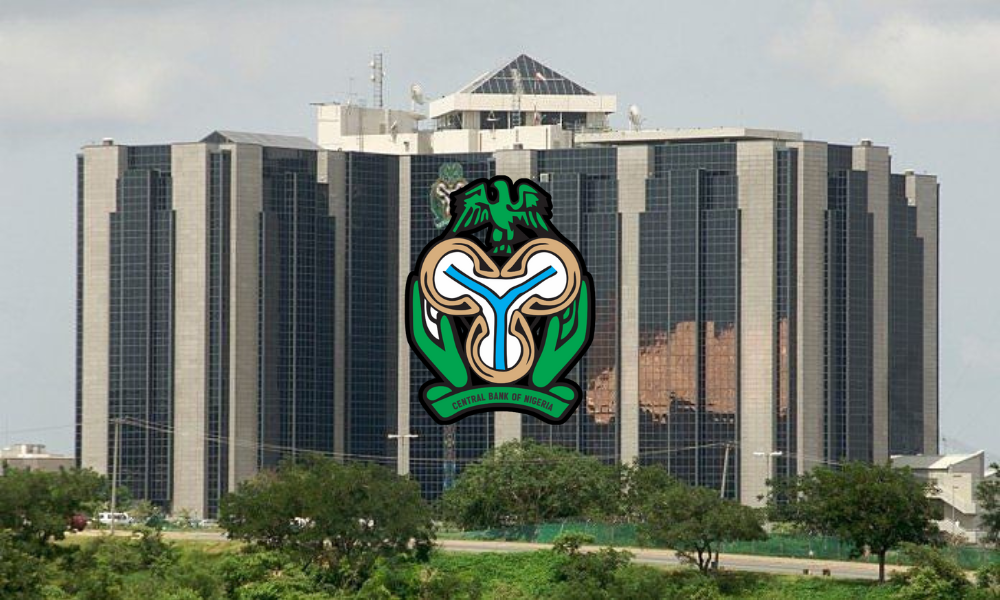
The Central Bank of Nigeria (CBN) has taken a bold step to restore order and transparency in the retail foreign exchange (FX) market by granting final operating licenses to 82 Bureaux De Change (BDCs).
This move forms a key pillar of the CBN’s updated regulatory framework, designed to tighten oversight, curb illegal currency speculation, and strengthen investor confidence.
Effective November 27, 2025, these 82 operators are the only officially authorized BDCs permitted to operate nationwide. The CBN has warned the public to transact only with licensed operators listed on its official website to avoid fraudulent dealings.
A New Era of Oversight
The licensing follows the implementation of the “Regulatory and Supervisory Guidelines for Bureaux De Change Operations in Nigeria 2024”, which introduced stricter operational standards and higher capital requirements.
Key Provisions of the New Framework
- Capital Requirements: Tier 1 BDCs must maintain a minimum capital base of ₦2 billion, while Tier 2 operators require ₦500 million.
- Single-Bank Rule: Each BDC can purchase a maximum of USD 25,000 per week from a single authorized dealer bank.
- Profit Margin Cap: BDCs are restricted to a maximum resale margin of 1% above their purchase price.
- Purpose-Specific Transactions: FX sales are limited to eligible uses such as Personal Travel Allowance (PTA), Business Travel Allowance (BTA), overseas school fees, and medical expenses.
- Mandatory Reporting & KYC: Operators must maintain comprehensive transaction records, including Bank Verification Numbers (BVNs) of end-users, and comply with Anti-Money Laundering (AML) and Know Your Customer (KYC) protocols.
These measures are intended to foster a more credible, transparent, and resilient FX market while discouraging speculative trading and illicit financial flows.
Consolidation and Compliance
The CBN’s latest action follows the revocation of over 4,000 BDC licenses earlier in 2025 for non-compliance with regulatory standards.
By consolidating the sector, the apex bank aims to streamline operations, reduce market fragmentation, and ensure that only credible operators remain active in the system.
This consolidation is expected to enhance liquidity management, reduce volatility, and narrow the gap between the official and parallel exchange rates.
Governor Cardoso’s Vision for Market Stability
CBN Governor Olayemi Cardoso has emphasized that the reforms are part of a broader strategy to “bring sanity to an industry that arguably no longer serves the interests of those whom it was meant to protect.”
By integrating legitimate BDCs into the formal financial structure, the CBN seeks to:
- Reinforce transparency in FX transactions.
- Promote sustainable liquidity in the retail market.
- Rebuild confidence among investors and international partners.
Cardoso’s administration has made regulatory discipline and market integrity central to its monetary policy agenda, signaling a new era of accountability in Nigeria’s FX management.
Toward a Stable and Transparent FX Market
The CBN’s strategic streamlining of the BDC sector is widely viewed as a critical step toward achieving exchange rate stability and restoring trust in Nigeria’s financial system.
Analysts believe that the combination of tighter supervision, digital reporting, and capital adequacy requirements will help stabilize the Naira, reduce speculative pressure, and align Nigeria’s FX practices with international standards.
A complete list of the newly licensed BDCs is available on the Central Bank of Nigeria’s official website, providing the public with verified information on authorized operators.