Connect with us

News

The Implications of Non-compliance with Nigeria’s Minimum Wage Law

Ikechukwu Emmanuel

Published

on

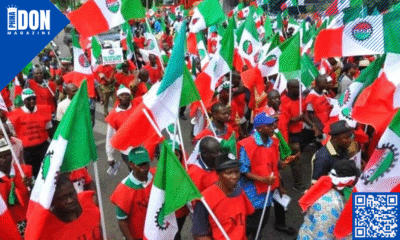
The recent pronouncement by the Nigeria Labour Congress (NLC) calling for the implementation of the newly approved national minimum wage underscores a critical juncture in Nigeria’s labour relations and economic landscape. Signed into law by President Bola Tinubu in July, the new national minimum wage is set at ₦70,000. While the intent of this legislation is to safeguard the rights and livelihoods of workers amidst an ever-increasing cost of living, compliance among the states has been inconsistent, raising concerns over potential unrest and labour disputes.

As of October 2024, the NLC has reported that while some states, such as Lagos and Ogun, have taken significant steps to comply by increasing their wage offerings, many others remain laggard in meeting the legal obligation. The spokesperson for the NLC, Benson Upah, emphasized that the challenges largely stem from the consequential wage adjustment, a formula intended to fairly augment salaries in accordance with each worker’s grade level. This complexity has resulted in varied levels of implementation across the nation, with some states merely forming committees without effecting actual pay increases.

The NLC and other unions, such as the Association of Senior Civil Servants of Nigeria, have expressed their discontent with the situation, indicating that no state has fully implemented the new minimum wage to date. Government announcements alone, as noted by the General Secretary of ASCSN, Joshua Apebo, have not translated into actionable changes for workers. This dissonance between verbal commitments and tangible actions could potentially lead to significant unrest, particularly as the economic pressures on the populace escalate due to inflation and fluctuations in the exchange rate.

The NLC’s warning that states failing to comply would face “trouble” illustrates the precarious position of state governments in navigating their fiscal responsibilities against the backdrop of public discontent. With revenue from the Federation Accounts Allocation Committee (FAAC) indicating increased financial flows to states, the argument for non-compliance appears tenuous. As Upah aptly stated, “the states have become very rich” and therefore must prioritize fulfilling their legal obligations to prevent destabilization.

In conclusion, the successful implementation of the new national minimum wage is both a legal obligation for the states and a moral imperative to protect the welfare of workers in Nigeria. As the NLC prepares to hold state governments accountable, the urgency for action grows. Failure to comply not only jeopardizes the financial security of countless families but also threatens the broader social harmony, risking the resurgence of unrest in a nation already facing various economic challenges. Therefore, it is imperative for state governments to expedite the implementation process and uphold the rights of their workers in accordance with the law.

News

Nigeria Reports 278 Lassa Fever Deaths in 2026.

Ikechukwu Emmanuel

Published

on

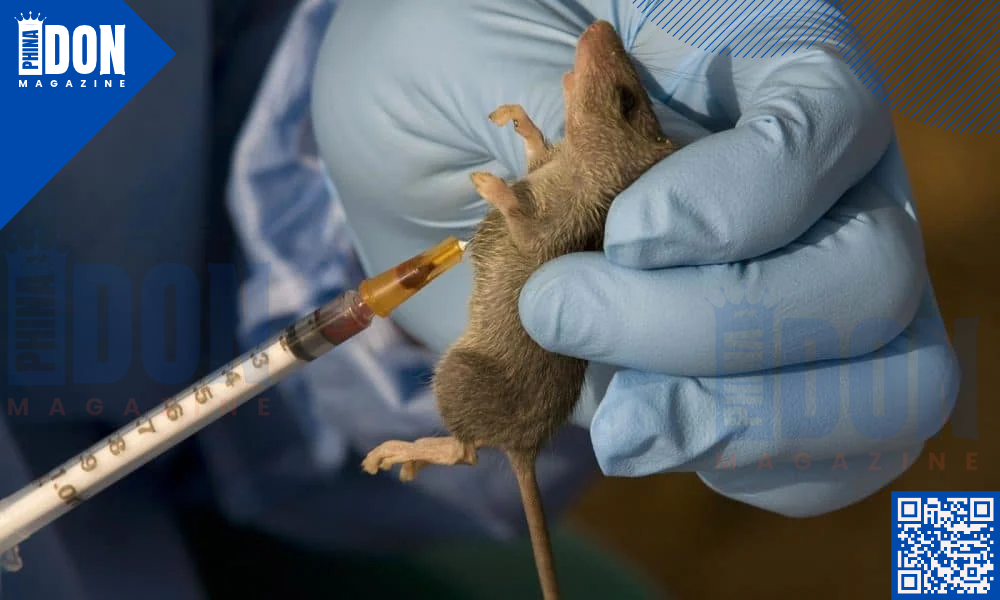
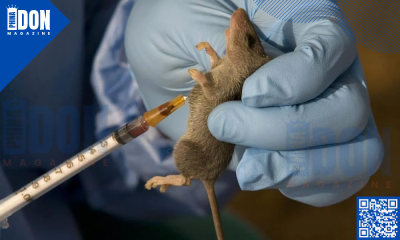
Nigeria has recorded 278 deaths and 1,226 confirmed Lassa fever cases across 26 states and 122 local government areas, according to situation reports from the Nigeria Centre for Disease Control and Prevention (NCDC).

In Week 45, the agency reported 141 suspected cases and 18 confirmed infections, with no new confirmed deaths. In Week 46, suspected cases rose to 151 and confirmed infections to 22; again, no new confirmed deaths were recorded.

The cumulative case fatality rate stands at 22.7 per cent. The NCDC urged continued vigilance, early diagnosis and prompt medical care, noting that new infections continue to be detected.

To reduce the risk of infection, the agency advised residents to keep homes clean and free of rodents, store food in sealed containers, dispose of waste properly and seek medical attention promptly for symptoms such as fever, weakness, headache or bleeding.

Continue Reading

News

Troops Dismantle Four Illegal Refineries in Rivers.

Ikechukwu Emmanuel

Published

on

Troops of the 6 Division Garrison have dismantled four illegal refinery sites in Ogbogolo/Abassain, Ahoada West Local Government Area of Rivers State.

The operation began at about 9 a.m. on November 23 as part of an anti-illegal bunkering effort. According to a report shared on X by security analyst Zagazola Makama, troops recovered 104 sacks of illegally refined crude oil, estimated at 5,200 litres.

Other items recovered included five drum ovens, three receiver drums, five cooking drums, one coolant and three buckets. The refinery facilities and recovered items were handled in accordance with existing regulations.

Continue Reading

News

Operation Hadin Kai Reports Airstrikes and Arrests in Borno.

Ikechukwu Emmanuel

Published

on

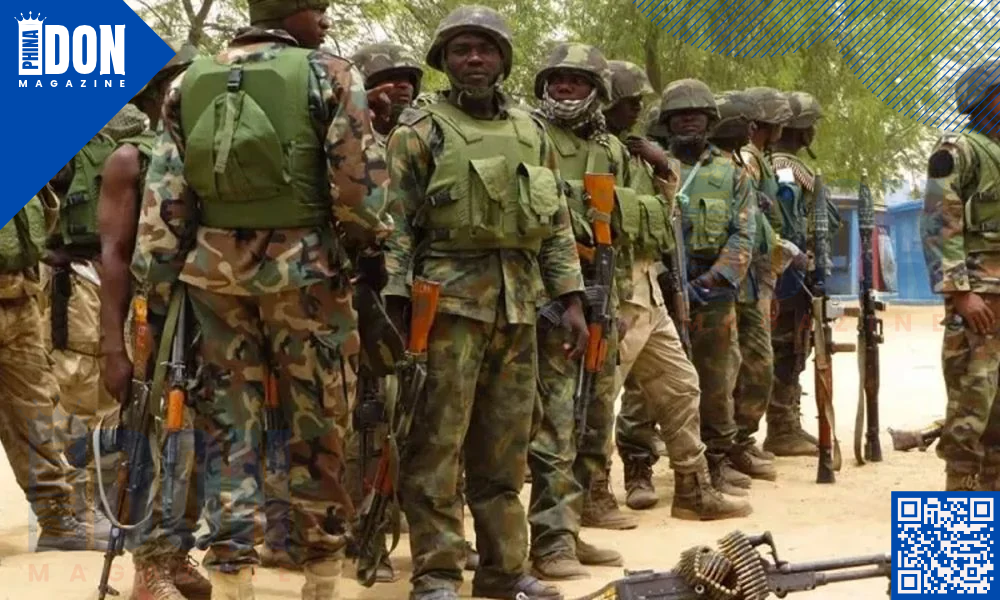
Troops of Operation Hadin Kai reportedly killed eight suspected Islamic State West Africa Province (ISWAP) fighters in two airstrikes near Tumbuna, Abadam Local Government Area, Borno State.

According to a report shared on X by security analyst Zagazola Makama, the strikes took place at about 1:00 a.m. on November 23, 2026. Surveillance had detected a vehicle suspected of carrying terrorists. After the vehicle was destroyed, a follow-up assessment reportedly found two survivors joining six other fighters sheltering beneath a tree. A second precision strike killed all eight.

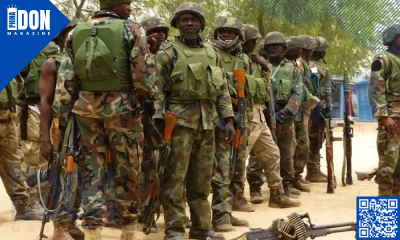
In a separate operation, troops of the Nigerian Army arrested three suspected kidnappers in Jakana, Konduga Local Government Area. Makama said the arrests were made by the 273 Task Force Tank Battalion at about 5:40 p.m. on November 23. One suspect allegedly identified two others, who were later traced and arrested.

The troops reportedly recovered three mobile phones, a bow and arrow, and ₦28,000. The suspects and recovered items remain in military custody for further investigation.

Continue Reading

Trending

∧